Table of Contents
ToggleLeftover mashed potatoes are a fridge staple after holiday dinners and Sunday roasts, but they’re also one of the more perishable items in your refrigerator. Unlike dry goods or jarred condiments, cooked potatoes mixed with dairy create an ideal environment for bacterial growth if not stored correctly. Knowing exactly how long they’ll stay safe, and how to recognize when they’ve turned, can prevent foodborne illness and keep you from tossing perfectly good leftovers. This guide walks through refrigerator timelines, storage methods, spoilage signs, and reheating tips to help you get the most out of every batch.
Key Takeaways
- Mashed potatoes last 3–5 days in the refrigerator when stored at 40°F or below, with dairy-rich versions lasting closer to 3 days due to accelerated spoilage.
- Start the storage clock when potatoes cool to room temperature, not when placed in the fridge—refrigerate within one hour of cooking to prevent bacterial growth.
- Watch for mold, sour or fermented smells, discoloration, and slimy textures as signs your mashed potatoes have spoiled and should be discarded.
- Use airtight glass or BPA-free plastic containers with direct plastic wrap on the potato surface to minimize air contact and oxidation during refrigeration.
- Freeze mashed potatoes in portion-sized containers for up to two months of storage, then reheat to 165°F on the stovetop or microwave using medium power for food safety.
- Never reheat mashed potatoes more than once, and add milk or cream while reheating to restore creaminess and prevent moisture loss.
Refrigerator Storage Timeline for Mashed Potatoes
Three to five days is the safe window for refrigerated mashed potatoes. The USDA guidelines for cooked leftovers apply here: dairy-enriched dishes like mashed potatoes should be consumed within that timeframe when kept at 40°F or below.
Homemade mashed potatoes with butter, milk, or cream have a shorter shelf life than plain boiled potatoes because dairy accelerates spoilage. If you’ve added sour cream, cream cheese, or soft cheese, lean toward the three-day mark. Store-bought refrigerated mashed potatoes often contain preservatives and stabilizers that may extend their window slightly, but once opened, the same three-to-five-day rule applies.
The clock starts the moment the potatoes cool to room temperature, not when you put them in the fridge. If mashed potatoes sit out for more than two hours, or one hour in temperatures above 90°F, bacteria like Staphylococcus aureus and Clostridium perfringens can multiply rapidly. When in doubt, refrigerate within an hour of cooking.
Instant mashed potatoes prepared from a mix follow the same timeline once rehydrated and mixed with dairy. The powder itself has a long shelf life, but once water and fat are added, it becomes as perishable as scratch-made versions.
Signs Your Mashed Potatoes Have Gone Bad
Spoiled mashed potatoes give off clear visual and olfactory warnings. Trust your senses, when something’s off, it usually is.
Mold is the most obvious red flag. Green, white, or black fuzzy spots indicate fungal growth. Even if mold appears only on the surface, spores penetrate deeper into soft, moist foods like mashed potatoes. Discard the entire container.
Sour or fermented smell signals bacterial activity. Fresh mashed potatoes smell buttery and mild. A tangy, yeasty, or ammonia-like odor means they’ve crossed into unsafe territory.
Discoloration can indicate oxidation or spoilage. While a slight grayish tint on the surface is harmless (a reaction between starches and air), widespread yellowing, browning, or pinkish hues suggest decomposition.
Watery separation isn’t necessarily a sign of spoilage, dairy can separate as potatoes sit, but if the liquid looks cloudy, smells off, or has a slimy texture, it’s time to toss them.
Slimy or tacky texture on the surface is a strong indicator of bacterial growth. Fresh mashed potatoes should feel smooth and creamy, not sticky or mucus-like.
When reheating, if the potatoes develop an off taste, sour, bitter, or metallic, stop eating. Heating doesn’t always destroy the toxins produced by spoilage bacteria.
Best Practices for Storing Mashed Potatoes in the Fridge
Proper storage starts the moment you finish cooking. Allowing mashed potatoes to cool correctly and sealing them against air and moisture makes a measurable difference in shelf life.
Cool them quickly. Spread hot mashed potatoes in a shallow, wide dish to speed cooling. The goal is to drop the temperature below 70°F within two hours, then get them into the fridge. Large, deep containers hold heat longer and create a温bed for bacterial growth in the center.
Refrigerate promptly. Once cooled to near room temperature, transfer to the fridge. Don’t wait until bedtime or the next morning.
Use airtight containers. Exposure to air causes oxidation and dries out the surface. Glass or BPA-free plastic containers with snap-on lids work well. Press a layer of plastic wrap directly onto the surface of the potatoes before sealing the lid to minimize air contact.
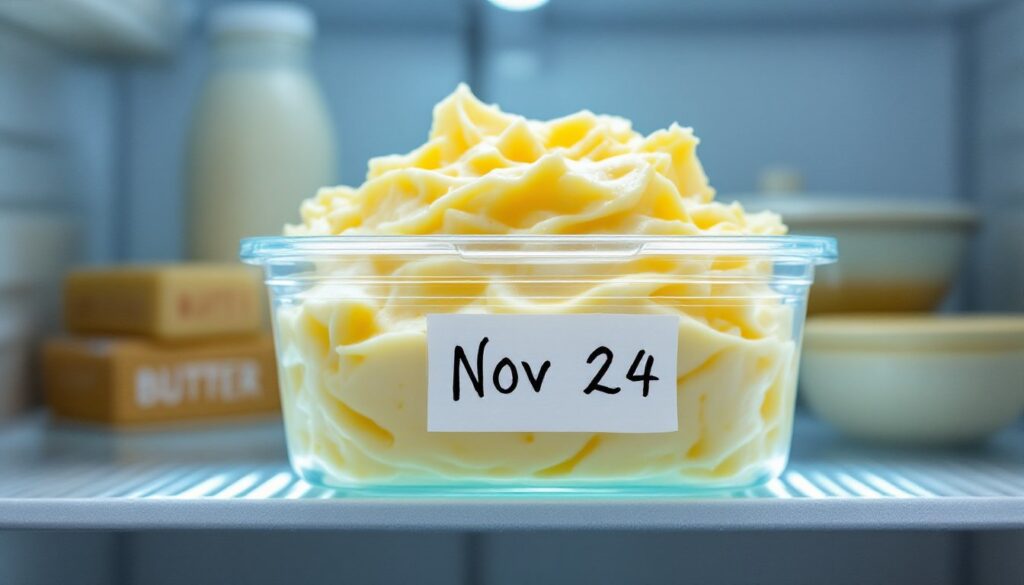
Label and date. Stick a piece of masking tape on the container with the storage date. It’s easy to lose track of leftovers in a crowded fridge.
Choosing the Right Container
Glass containers are ideal for mashed potatoes. They don’t absorb odors, resist staining, and allow you to see contents at a glance. Borosilicate glass withstands temperature changes better than standard soda-lime glass, which matters if you plan to reheat directly in the container.
Plastic containers work fine as long as they’re food-grade and BPA-free. Look for containers labeled microwave-safe if you plan to reheat in them. Avoid containers with worn or cracked lids, they don’t seal properly.
Avoid metal containers unless they’re stainless steel. Aluminum can react with acidic ingredients (like sour cream or buttermilk) and impart a metallic taste.
Portion into smaller containers if you made a large batch. Smaller volumes cool faster and reduce the number of times you expose the entire batch to warm air when scooping out servings. Individual portions in 4-ounce or 8-ounce containers are convenient for quick lunches or single servings.
Can You Freeze Mashed Potatoes for Longer Storage?
Yes, mashed potatoes freeze well and can last up to two months in the freezer without significant quality loss. Freezing is the best option if you’ve made a double batch or want to prep ahead for a holiday meal.
Prepare for freezing. Mashed potatoes with higher fat content freeze better. The butter, cream cheese, or sour cream helps maintain texture during thawing. Lean, low-fat versions can become grainy or watery.
Use freezer-safe containers or bags. Portion into quart-sized freezer bags for flat storage, or use rigid plastic containers with at least half an inch of headspace (mashed potatoes expand slightly when frozen). Squeeze out as much air as possible from bags before sealing.
Flash-freeze for portions. Scoop mashed potatoes into muffin tins lined with plastic wrap, freeze until solid, then pop out the portions and transfer to a freezer bag. This method gives you individual servings that thaw quickly.
Label clearly. Write the date and contents on every container. Frozen mashed potatoes look similar to other frozen purees.
Thawing and reheating. Thaw overnight in the refrigerator, not on the counter. Reheat gently on the stovetop or in the microwave, stirring in a splash of milk or cream to restore creaminess. Expect some texture change, frozen and reheated mashed potatoes won’t be quite as fluffy as fresh, but they’re still perfectly edible and tasty.
How to Safely Reheat Refrigerated Mashed Potatoes
Reheating to the correct internal temperature is critical for food safety. Cold spots can harbor bacteria that survived refrigeration.
Target temperature: 165°F. Use an instant-read thermometer to verify. Insert it into the thickest part of the potatoes and check multiple spots if reheating a large batch.
Stovetop method: Place mashed potatoes in a saucepan over medium-low heat. Stir frequently to prevent scorching on the bottom. Add a few tablespoons of milk, cream, or broth to loosen the texture and restore moisture. Heat until steaming throughout, about 5–8 minutes depending on quantity.
Microwave method: Transfer potatoes to a microwave-safe dish. Cover loosely with a damp paper towel or microwave-safe lid to trap steam. Heat on medium power (50–70%) in 60-second intervals, stirring between each interval. Full power can create hot spots and cause splattering. Many kitchen enthusiasts recommend medium power for more even heating of dense, starchy foods.
Oven method: Spread mashed potatoes in a shallow baking dish. Dot with butter and cover tightly with aluminum foil. Bake at 350°F for 20–30 minutes, stirring halfway through. This method works well for larger quantities and allows you to crisp the top by removing the foil for the last 5 minutes.
Don’t reheat more than once. Each heating cycle reduces quality and increases the risk of bacterial growth. Only reheat the portion you plan to eat immediately.
Conclusion
Refrigerated mashed potatoes stay safe for three to five days when stored properly in airtight containers at 40°F or below. Watch for mold, off smells, and texture changes as clear signs of spoilage. For longer storage, freeze portions in freezer-safe containers for up to two months. Always reheat to 165°F and use a thermometer to verify, food safety isn’t guesswork.