
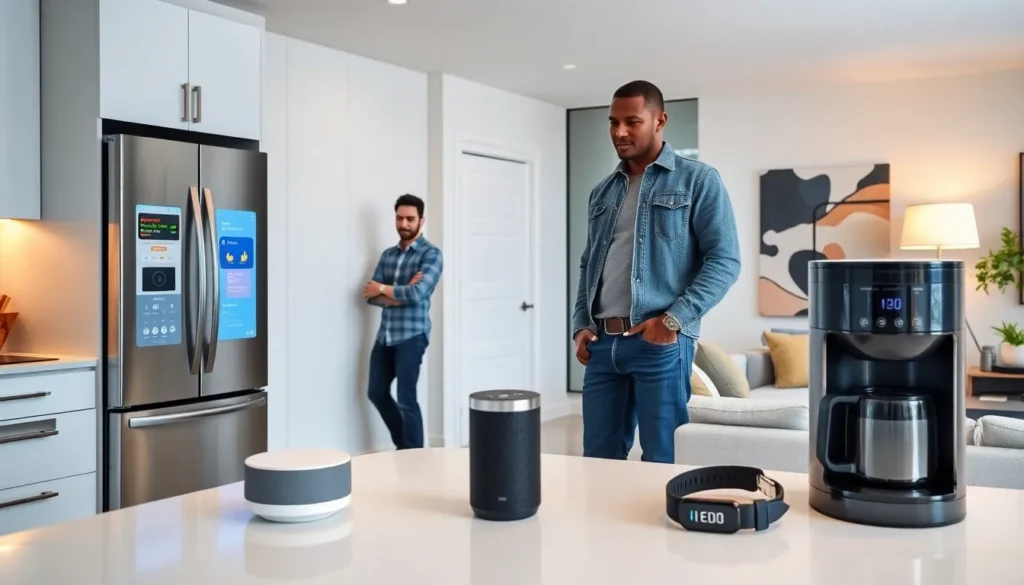
Imagine a world where your fridge tells you when you’re out of milk, your thermostat adjusts to your comfort without even a thought, and your coffee brews itself at the crack of dawn. That’s not just a scene from a futuristic movie: that’s the magic of smart tech products. These devices are not just trendy gadgets: they are transforming how we live, work, and play. With a blend of convenience, efficiency, and a dash of fun, smart tech is changing the game in ways that are hard to ignore.
The Rise of Smart Tech: A Brief Overview
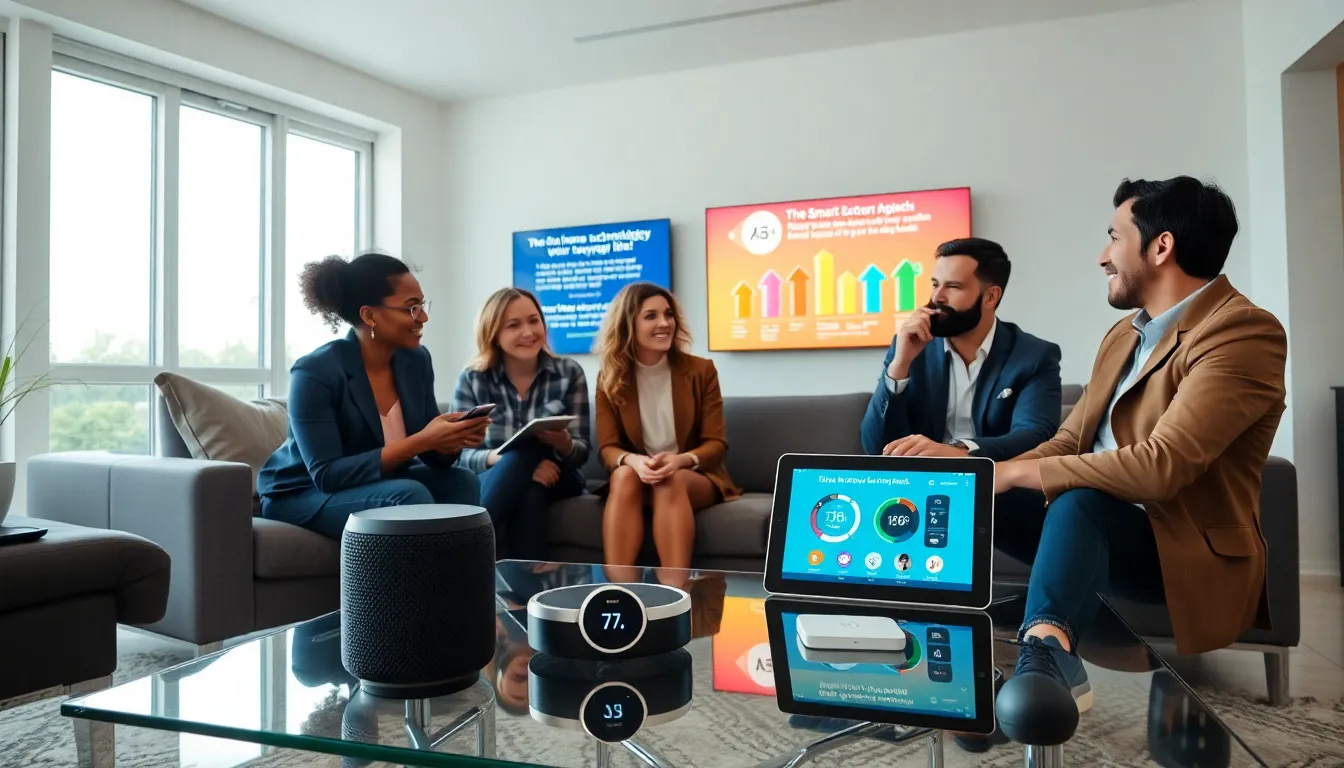
In recent years, smart tech has surged to the forefront of innovation. The explosion in smartphone usage paved the way for smart home devices, wearables, and health solutions. Consumers have embraced the benefits of these smart technologies, which seamlessly integrate into their daily lives. This shift isn’t just about convenience: it’s about reimagining how we interact with our environment. Companies like Google, Amazon, and Apple are leading the charge, investing heavily in research and development to create smart tech that not only simplifies our lives but also enhances them, offering new possibilities—including options related to an AI presentation maker that streamline how we create and share information.
Key Categories of Smart Tech Products
Smart tech products can be broadly categorized into three main groups:
1. Smart Home Devices
From smart speakers to security cameras, these devices manage everything in your home remotely. Imagine using your smartphone to control your lights, locks, and appliances. It’s the epitome of convenience, ensuring peace of mind whether at home or away.
2. Wearable Technology
Wearable tech, such as smartwatches and fitness trackers, has taken the fitness world by storm. They monitor health metrics and keep users informed about their physical activity, creating a real-time connection to health and wellness goals.
3. Smart Health Solutions
Telehealth services and smart medical devices are revolutionizing healthcare. These products offer patients unprecedented access to medical consultations and allow for continuous monitoring of health conditions, enhancing patient engagement and outcomes.
Innovative Features That Set Smart Tech Apart
What sets smart tech apart from traditional products? Here are some standout features:
1. Connectivity and Integration
Smart products are designed to communicate with each other, creating a cohesive ecosystem. For instance, a smart thermostat can adjust the temperature based on data collected from your smart weather app, ensuring optimal comfort.
2. Artificial Intelligence and Machine Learning
AI and machine learning enhance user experiences by learning preferences over time. For example, smart speakers can curate playlists based on previous listening habits, seemingly reading your mind.
3. User-Centric Design
These products prioritize user experience, often featuring intuitive interfaces and compatibility with multiple devices. The goal is to make technology accessible, enjoyable, and as effortless as possible.
The Benefits of Adopting Smart Tech Products
The allure of smart tech extends beyond just the cool factor. Here are some compelling benefits:
1. Convenience and Efficiency
With the power of automation and remote access, daily tasks become easier. Whether adjusting your thermostat or scheduling your dishwasher to run, smart tech elevates everyday convenience.
2. Enhanced Security
Smart tech enhances security systems around the home. Monitoring cameras and smart alarms keep homes safer. Plus, remote control capabilities allow users to check on their property from anywhere in the world.
3. Energy Savings and Sustainability
Many smart devices include energy-saving features. They can adjust usage based on real-time data, contributing not just to lower energy bills, but also a smaller carbon footprint.
Challenges and Considerations in Smart Tech Adoption
Even though the advantages, there are hurdles in smart tech adoption:
1. Privacy and Security Concerns
With great connectivity comes great responsibility. Many consumers worry about their data privacy, as smart devices collect vast amounts of personal information. It’s crucial to choose products that prioritize security and offer transparency in how data is handled.
2. Interoperability Issues
The smart home ecosystem can feel fragmented. Not all devices communicate seamlessly with one another, leading to frustration. Compatibility and integration should be key factors in the buying process.
3. Cost vs. Value
While these high-tech devices can be an investment, it’s essential to weigh their long-term benefits against the initial costs. Assessing the actual value added to life will help guide purchasing decisions.
The Future of Smart Tech Products
Looking ahead, one can only imagine how smart tech will continue to evolve. Innovations such as improved AI algorithms, enhanced privacy protections, and eco-friendly solutions are all on the horizon. As technology advances, the aim is to furnish even greater comfort and convenience, while also addressing existing challenges. Visionary thinkers are already predicting a day where smart tech is integrated not just into homes but also public spaces, think smart cities among us.


